


The Female Spies of the Greek War of Independence
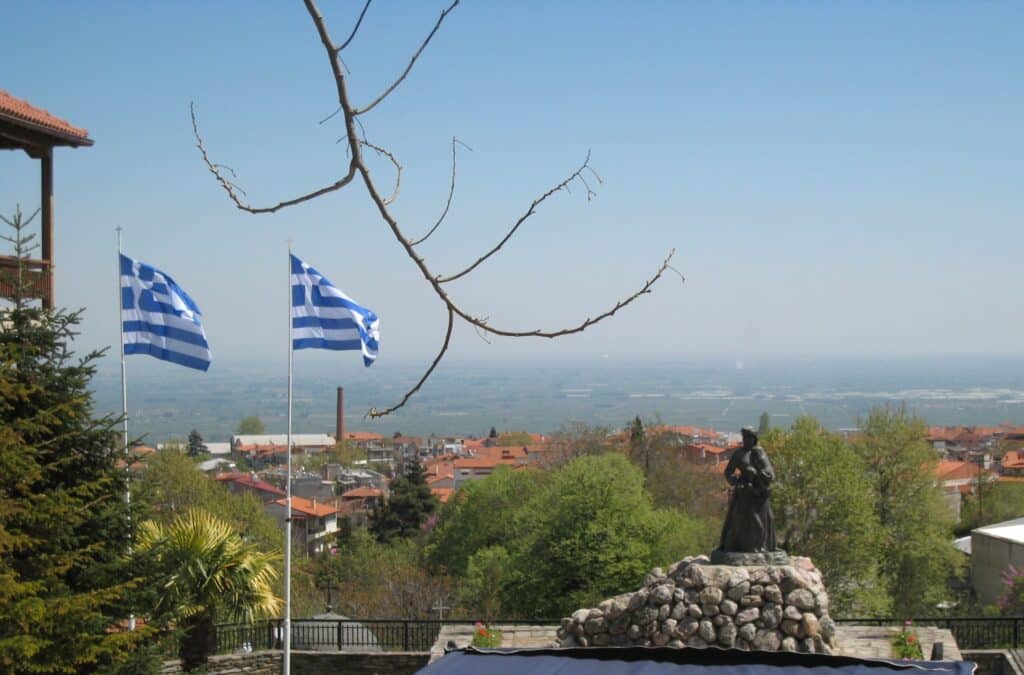
When we think of the 1821 Greek War of Independence, it is easy to get caught up in the classic imagery of men with prominent mustaches, dramatic hilltop charges, and cannons firing, often overlooking the crucial role of women. However, there was a whole other story to the revolution, one operating quietly right under the noses of the Ottoman Empire.
While the secret Filiki Eteria society was orchestrating the main rebellion, the true secret weapon of the movement turned out to be the women of occupied Greece.
As patriarchal societies barely registered their presence outside the home, they could slip through markets and city streets practically invisible. In other words, while no one was paying attention to them, these women were doing crucial work for the cause of liberty and freedom during the Greeks’ fight for independence, weaponizing the very gender roles that held them back and pulling off a dangerous intelligence operation that helped give birth to modern Greece.
How women utilized the fact that they were usually ignored
It sounds counterintuitive, but the greatest advantage these women had was the fact that nobody really took them seriously. The Ottoman authorities generally viewed Greek women as entirely non-political. To them, they were just wives and mothers tied to their hearths— a massive and costly miscalculation. Because they were constantly underestimated, these women could walk right past guards with encrypted messages, cash, or even ammunition tucked beneath the heavy folds of their traditional dresses.
On top of that, women were also inside the homes of Ottoman officials. Greek women often worked there as domestic servants or moved through courtyards as vendors. Imagine scrubbing a floor or selling a loaf of bread while a military commander openly discussed his next troop movements only several feet away. They had front-row seats to intelligence that battlefield generals would have killed for. The Filiki Eteria recognized this goldmine immediately, bringing trusted women into the fold to manage dead drops and carry vital messages between rebel factions that were otherwise totally isolated.
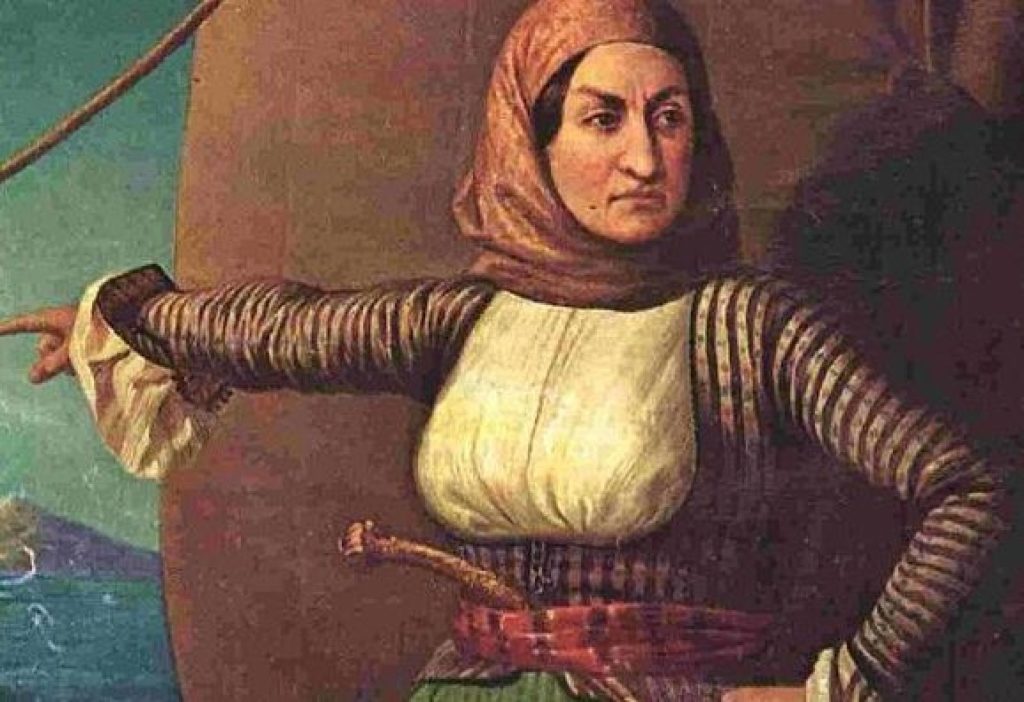
The famous and less well-known women of the Greek War of Independence
History has remembered a few of the vital names of women who played crucial roles during the Greek War of Independence, and that is a great start. Manto Mavrogenous was famous for pouring her personal fortune into the revolutionary fleet, but she was also a razor-sharp strategist. She ran an extensive local spy network across the islands and helped keep the rest of Europe connected to the cause. Another famous name was Laskarina Bouboulina. As a wealthy widow and shipowner, she used her legitimate trading business as a perfect cover to smuggle heavy weaponry and supplies right through naval blockades.
That said, the true backbone of this operation was the thousands of women whose names never made it into the history books. Up in the punishing, rocky terrain of Mani, Naoussa, and Souli, women regularly served as forward scouts. They had to be exceptionally clever about it, too. A casual folk song sung in a specific rhythm or the precise way a load of laundry was pinned to a line could serve as a sophisticated coded warning to hidden rebel camps that an Ottoman patrol was moving up the mountains.

Credit: Joanbanjo, Wikimedia Commons, CC BY-SA 3.0.
As we can imagine, the danger was incredibly real, and if a woman was caught, the imperial regime did not hold back simply because she was female. The punishment was brutal torture and execution. Yet what is truly remarkable is that archival records suggest almost none of these women cracked under pressure to betray the cause.
Their silence became a weapon in itself, slowly driving the occupying forces into paranoia. A creeping sense of distrust spread through the Ottoman ranks. Once they realized what was happening, no one felt safe. Was that girl selling flowers at the market listening in? Was the noblewoman at the diplomatic dinner secretly passing notes? The occupation was, in many ways, being eaten away from the inside out through psychological warfare.
At the end of the day, the fight for Greek independence was a collective effort rather than just the work of men. It relied on those who were brave enough to keep their heads down, listen closely, and whisper the right secret to the right person—a quiet resistance that proved just as powerful as any battle on the field
Business News



No comments